北斎の再来?奇才 河鍋暁斎 Kawanabe Kyosai: A Second Hokusai? The Genius of a Maverick Artist
英国人建築家も思わず弟子入り!
葛飾北斎の「北斎漫画」は、現代のアニメーションにも通じるマンガの原点として有名だが、日本には、他にもマンガの原点ともいえる作品を残した絵師がいた。その名は河鍋暁斎(かわなべ きょうさい 1831年~1889年)。
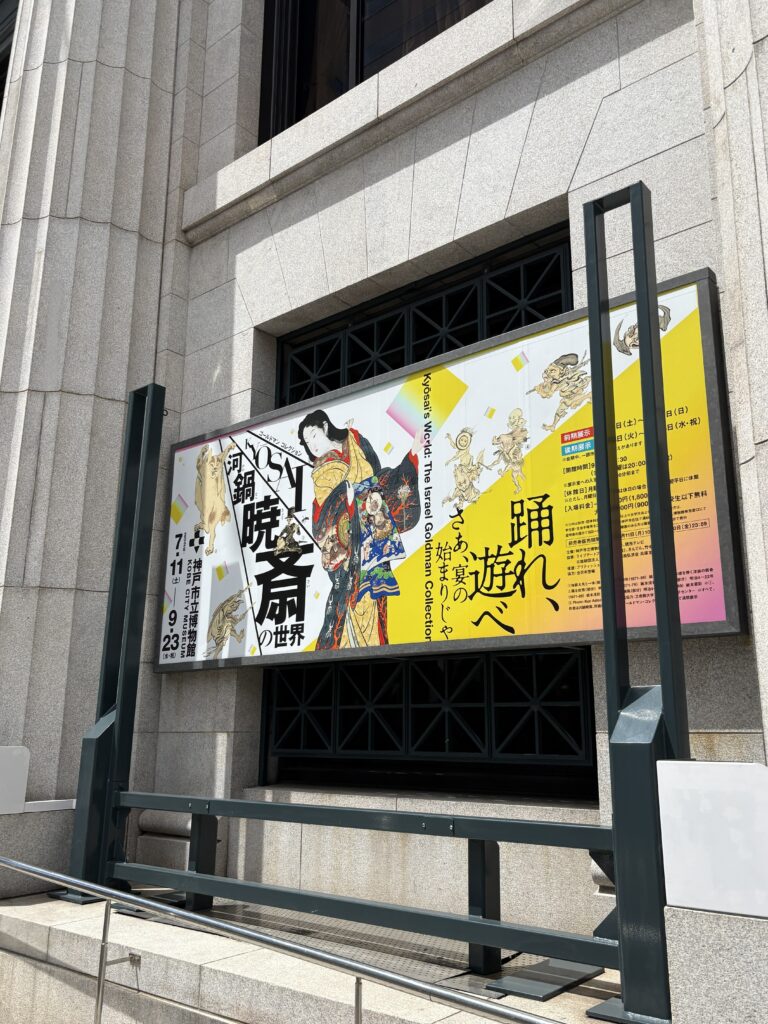
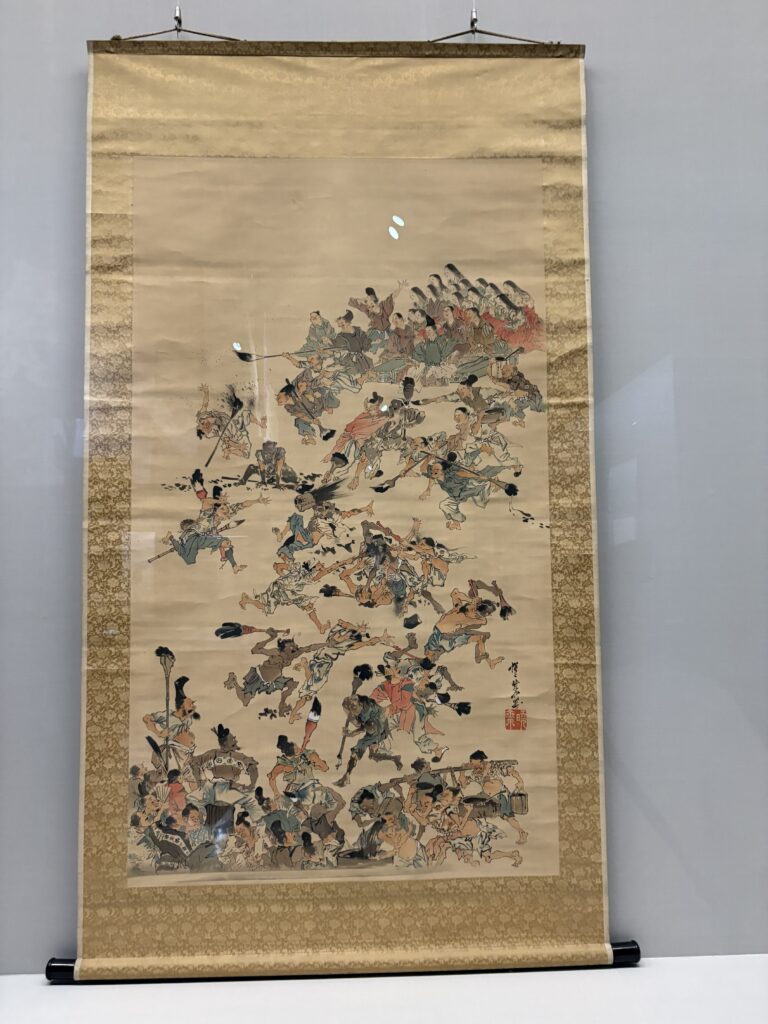
現在、その暁斎の展覧会が神戸で開かれている。(「特別展 ゴールドコレクション 河鍋暁斎の世界」9月23日まで 神戸市立博物館) 暁斎は、幕末から明治という激動の時代を生き抜いた絵師であり、彼の作品には一度、観れば忘れられない強烈なインパクトがある。狩野派の正当な技法から浮世絵、風刺画、妖怪画などあらゆるジャンルを描き分けた奇才だった。明治期には、内国勧業博覧会に出品した「枯木寒鴉図(かれきかんあず)」を観た政府のお抱え建築家ジョサイア・コンドル(鹿鳴館やニコライ堂を設計)が、暁斎に惚れ込み弟子入りしてしまう。
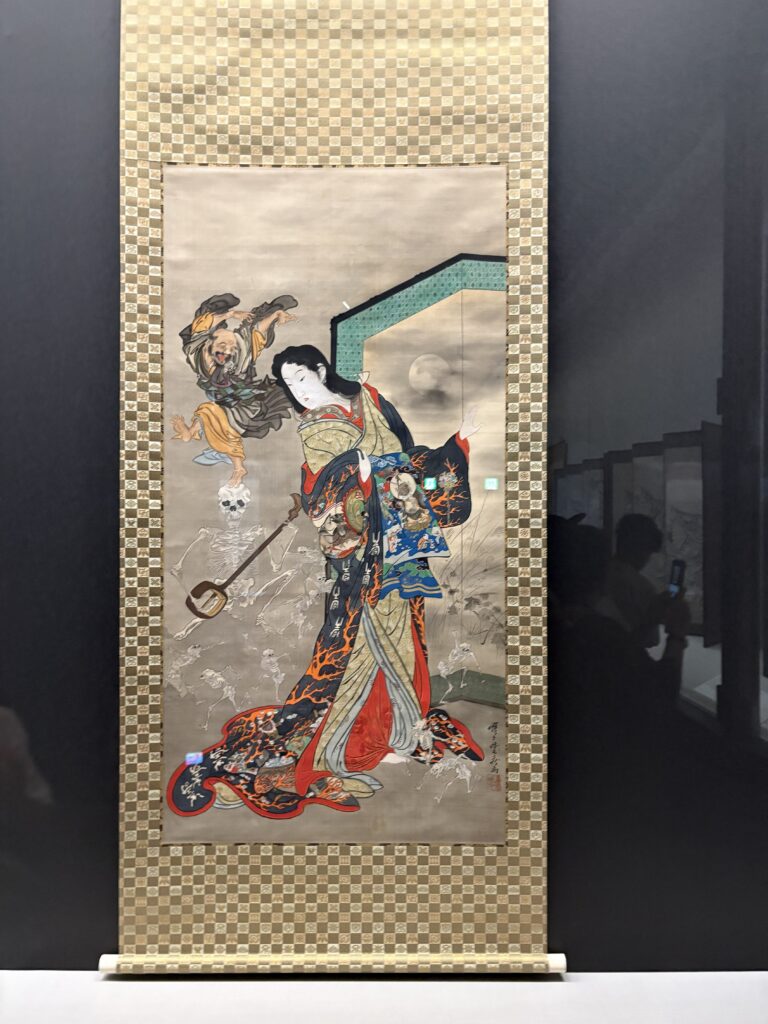
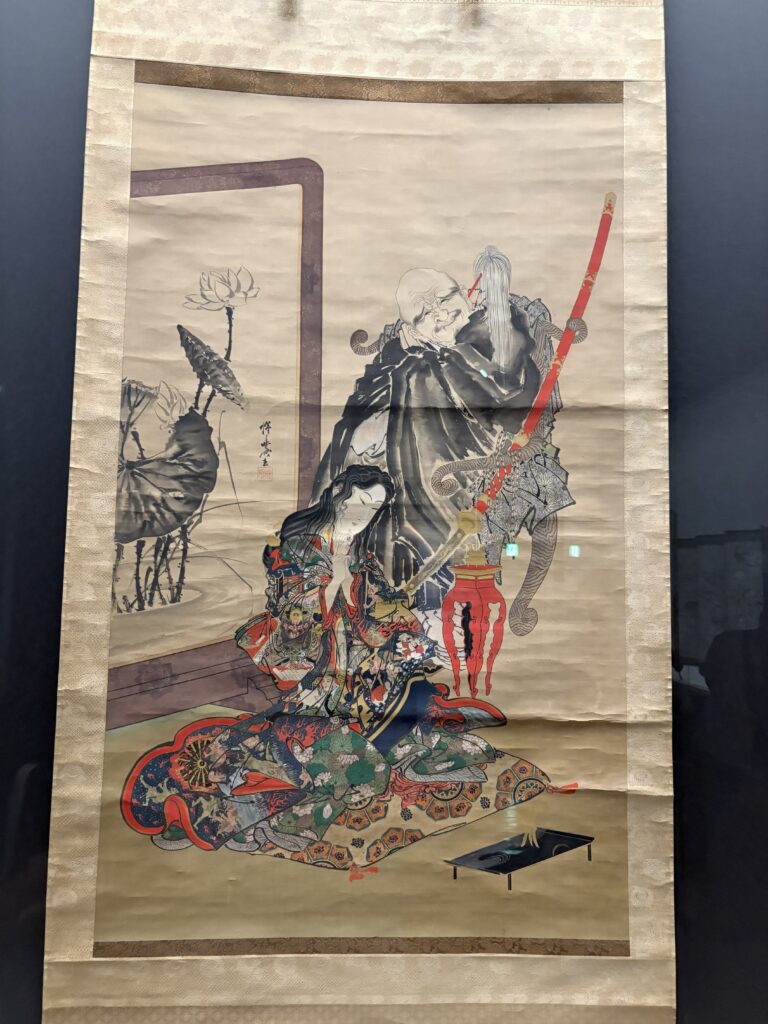
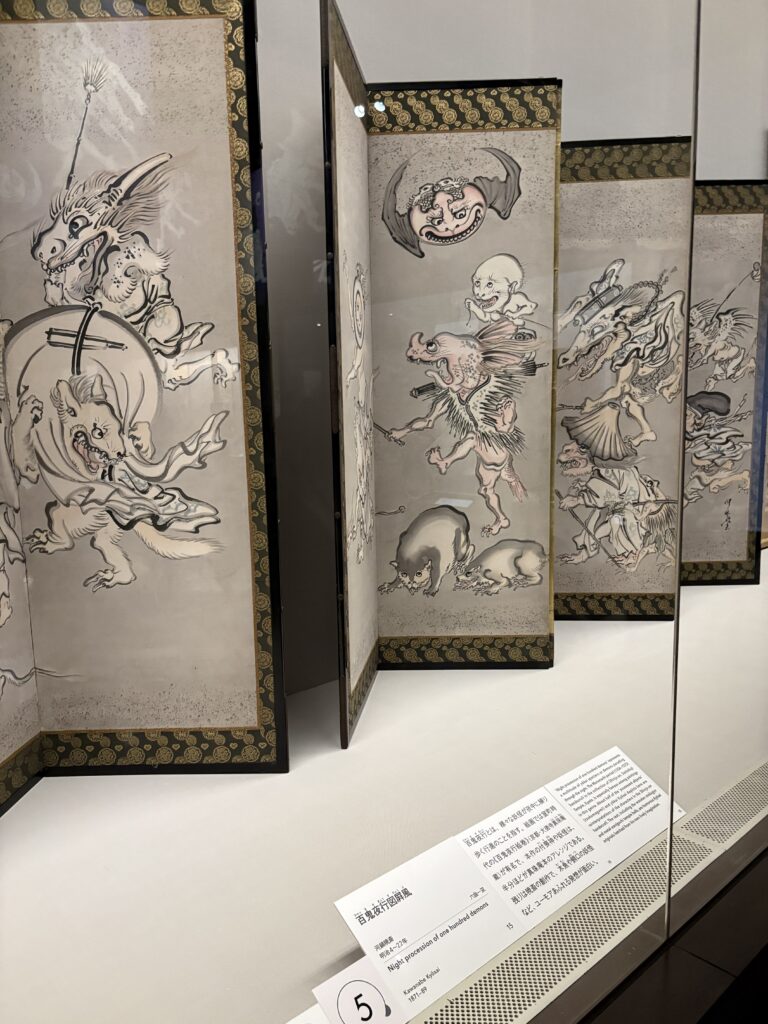
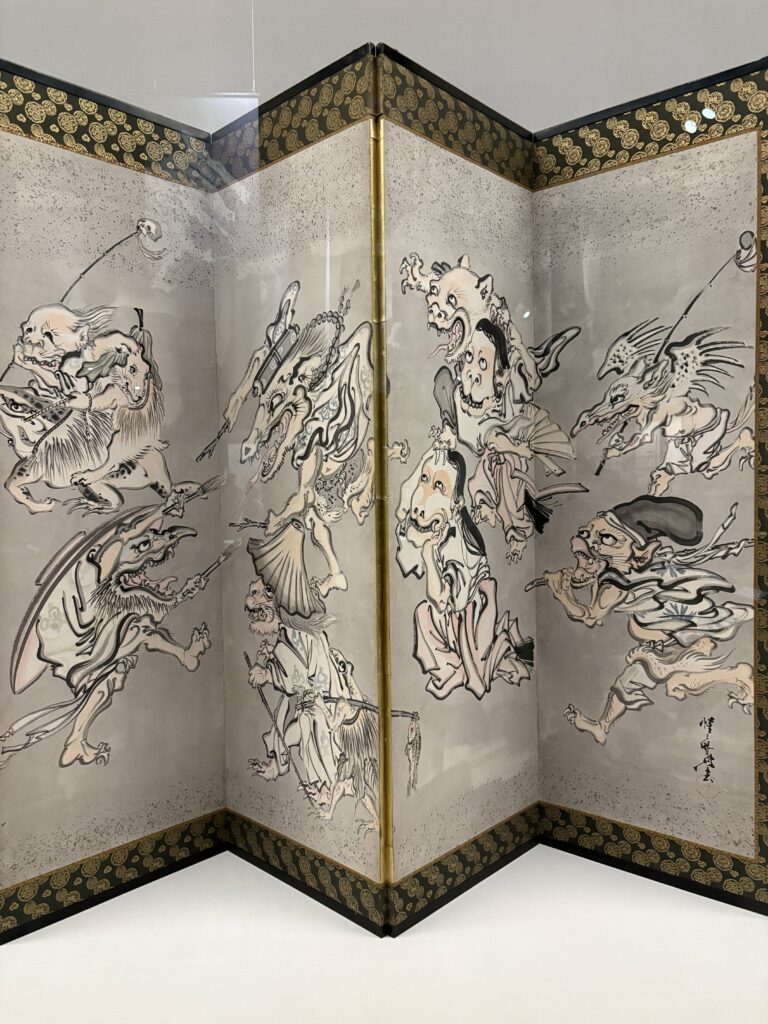
暁斎は単に絵の技量に優れていただけでなく、かなりの反骨精神の持ち主だったらしく、39歳の時、書画会(即興的に絵や書を制作し、それらを鑑賞する集まり)で酔った勢いで描いた政府の役人を批判する戯画が問題となり、投獄されたこともある。いろいろと波乱万丈の人生だったようだが、若くして修得した狩野派、琳派などのアカデミックな技法は徐々に花開き、円熟期には「大和美人図」など数々の名作を遺した。これだけでも一流の絵師として十分、後世にその名を轟かせているのだが、特筆すべきは、最晩年に「暁斎百鬼画談」(※遺作)というユーモアたっぷりに躍動感あふれる妖怪たちを描いた版本(版画集)を遺している。これは、もう、あの「北斎漫画」と並び称されるレベルの作品ではないか? 現在のマンガの原点とも言える作品ではないかと私は思っている。
Even a British Architect Was So Impressed That He Became His Disciple !
Katsushika Hokusai’s Hokusai Manga is famous as one of the origins of manga, with its influence extending even to modern animation. But Hokusai was not the only Japanese artist who left behind works that could be regarded as precursors to modern manga. Another remarkable artist was Kawanabe Kyosai (1831–1889).
A special exhibition of Kyosai’s work is currently being held in Kobe: The Special Exhibition: The World of Kawanabe Kyosai — The Gold Collection, at the Kobe City Museum, through September 23.
Kyosai was a painter who lived through the turbulent period spanning the final years of the Edo period and the Meiji era. His works have an extraordinary impact—once you have seen them, they are difficult to forget. He was a truly exceptional artist who mastered an astonishing variety of genres, from the orthodox techniques of the Kano school to ukiyo-e, satirical pictures, and paintings of ghosts and supernatural creatures.
During the Meiji period, Josiah Conder, a British architect employed by the Japanese government, became fascinated by Kyosai’s work after seeing Crows on a Withered Tree (Kareki Kan’a-zu), which Kyosai had exhibited at the National Industrial Exposition. Conder, who later designed such famous buildings as the Rokumeikan and Nikolai-do Cathedral, was so impressed by Kyosai that he actually became his pupil.
Kyosai was not merely a highly skilled painter; he also seems to have possessed a strong rebellious spirit. At the age of 39, he was arrested and imprisoned after a satirical drawing criticizing government officials caused trouble at a shoga-kai—a gathering where artists and calligraphers would spontaneously create paintings and calligraphy for people to appreciate. Apparently, Kyosai led quite a turbulent life.
Meanwhile, the academic techniques he had mastered at a young age, including those of the Kano and Rinpa schools, gradually blossomed. In his mature years, he produced numerous masterpieces, among them Portrait of a Beautiful Japanese Woman (Yamato Bijin-zu).
These achievements alone would have been enough to secure his reputation as a first-rate artist for generations to come. But what I find particularly noteworthy is a picture book he produced in the final years of his life, Kyosai Hyakki Gadan (literally, Kyosai’s Illustrated Tales of One Hundred Demons), which is considered one of his posthumous works. It is filled with humorous and extraordinarily dynamic depictions of yokai—the supernatural creatures of Japanese folklore.
Could this work not be considered to be on a level comparable to Hokusai’s famous Hokusai Manga?
I believe it can be regarded as one of the roots of the manga we know today.
出典 ゴールドマン コレクション
河鍋暁斎の世界
https://kyosai2026.exhibit.jp/
出典 ゴールドマン コレクション
河鍋暁斎の世界
https://kyosai2026.exhibit.jp/
(1871年~1889年)
出典 ゴールドマン コレクション
河鍋暁斎の世界
https://kyosai2026.exhibit.jp/
(1871年~1889年)
出典 ゴールドマン コレクション
河鍋暁斎の世界
https://kyosai2026.exhibit.jp/
(1871年~1889年) 拡大図
出典 ゴールドマン コレクション
河鍋暁斎の世界
https://kyosai2026.exhibit.jp/
·