美術品と戦争 Art works and War
「モニュメンツメン」の活躍がなかったら? What If the “Monuments Men” Had Never Acted?
今日、私たちは、ミケランジェロの彫刻やレオナルド・ダ・ビンチ、ファン・エイク、フェルメール、レンブラントなどの名画を現地に足を運びさえすれば、誰でも本物を鑑賞することができる、そんなことは当たり前のことだと思って疑いもしない。しかし、もし「彼ら」の活躍がなかったとしたら・・・そんなことを考えさせられた映画の話である。少々古い作品(2014年)で恐縮だが、第二次大戦末期にアメリカ軍に創設された「モニュメンツメン」という特殊部隊の活躍を描いた作品である。当時、美術好きのヒトラーの命を受けたナチスはヨーロッパ各地の占領地の美術館や個人所有の美術品の数々を略奪していた。これを阻止するべく人類にとってかけがえのない貴重な遺産としてのこれらの美術品を奪還するのがこの部隊の使命だった。映画は、この特殊部隊の奪還劇の一部始終を描いており、タイトルは、ストレートに「モニュメンツメン」(日本版タイトルは、なぜか「ミケランジェロ・プロジェクト」)
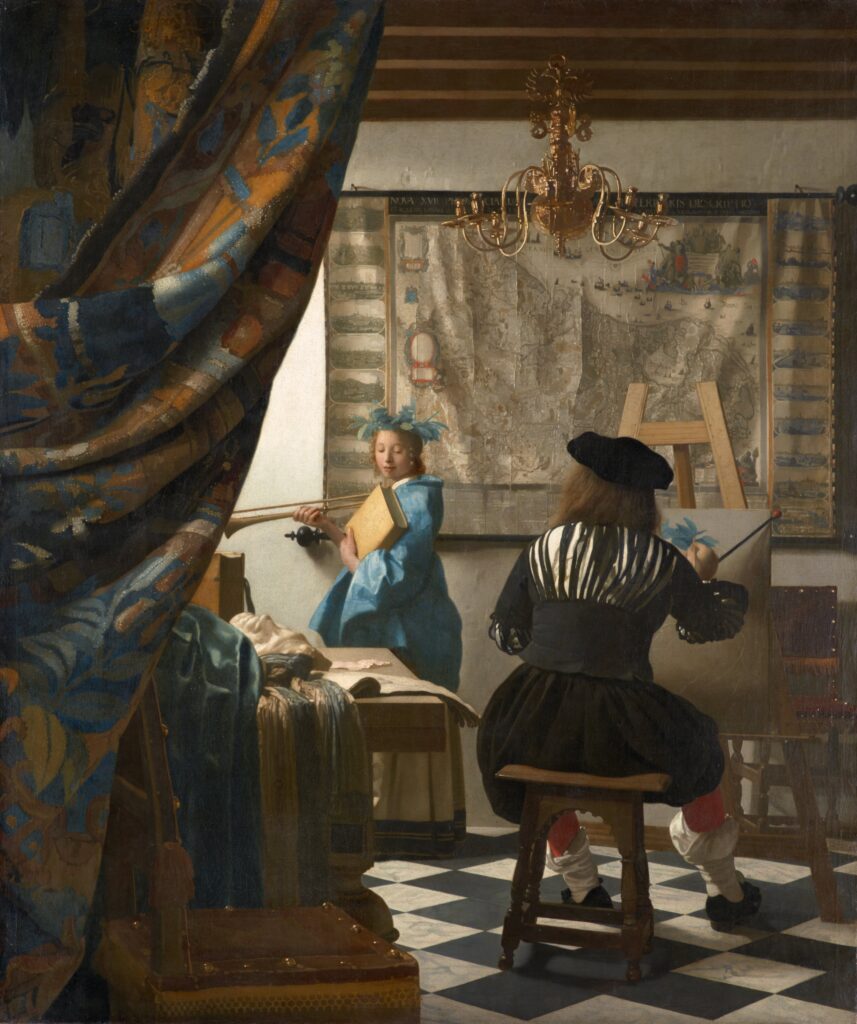
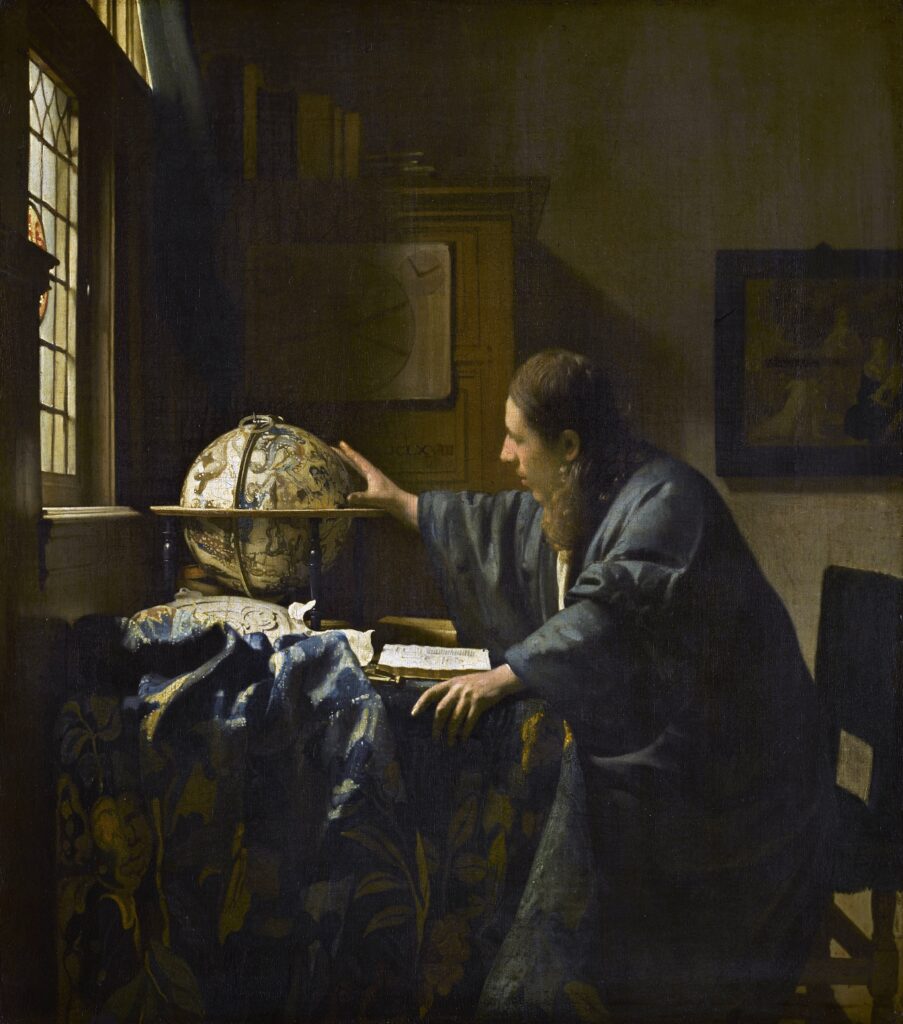
実話を基にしたサスペンス・フィクションなので部分的には、脚色、修正された描写(監督・脚本ジョージ・クルーニーの意図か?)があるが、概ね事実に沿って物語が展開していく。この作品の評価は残念ながら、あまり芳しくないようだが、ミケランジェロ「聖母子像」 レオナルド・ダ・ビンチ「白貂を抱く貴婦人」 フェルメール「絵画芸術」「天文学者」 ファン・エイク「ヘントの祭壇画」 レンブラント「自画像」など数々の巨匠の作品が登場する。また後半には私の大好きなノイシュバンシュタイン城の短い場面もあり、美術ファンの目を楽しませてくれる。
戦争とは破壊と殺戮に満ちた人類のいかに愚かしい行為であるかを、そして犠牲を払いながらも500万点以上にも上る美術品が無事に元の持ち主に返還された事実の陰には、この「モニュメンツメン」の活躍があったことを忘れてはならない、そんなメッセージをジョージ・クルーニーは、この作品を通して伝えたかったのではないか? 昨今のガザの悲惨な状況、4年を超えたウクライナ戦争、拡大するイランでの戦火をも想起しながら、そんなことを考えた。
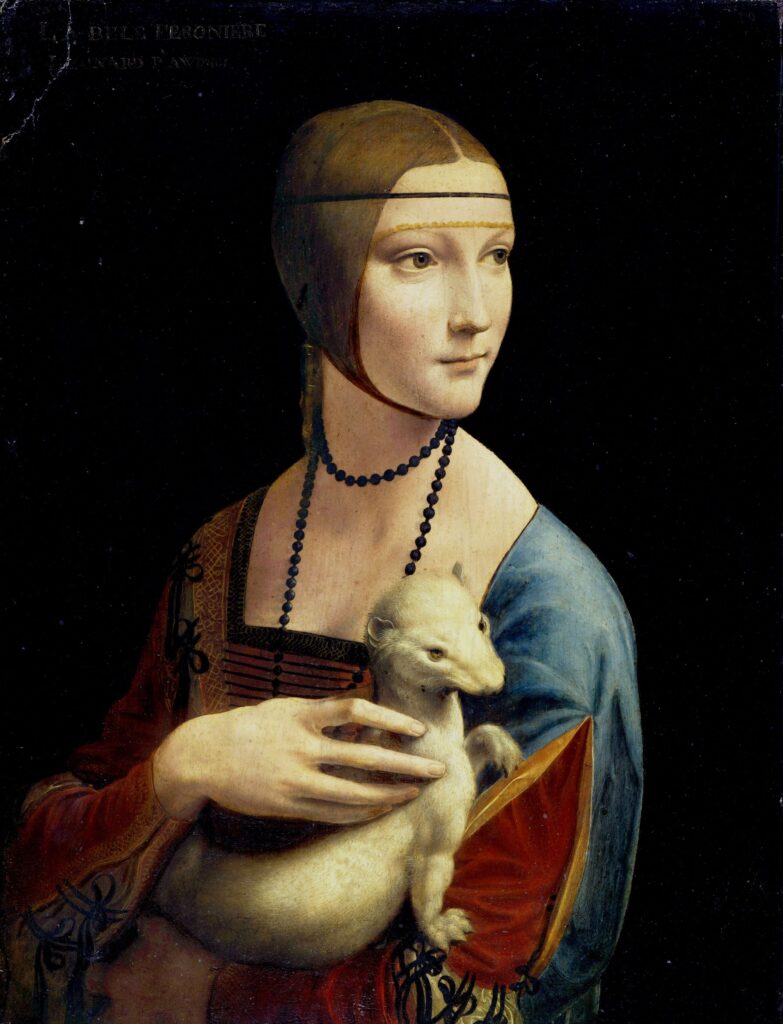
「白貂を抱く貴婦人」1489年-1490年チャルトリスキ美術館
1 Vermer「The Art of Painting」 2 Vermer 「The Astronomer」
3 Leonard da vinch「Lady with an Ermine」
1Kunsthistorisches Museum Vienna 2Louvre Museum 3Princess Czartoryski Museum
出典 : 1,2,3 名画な画家の作品<パブリックドメイン> https://worldmasterpieces.blog.fc2.com
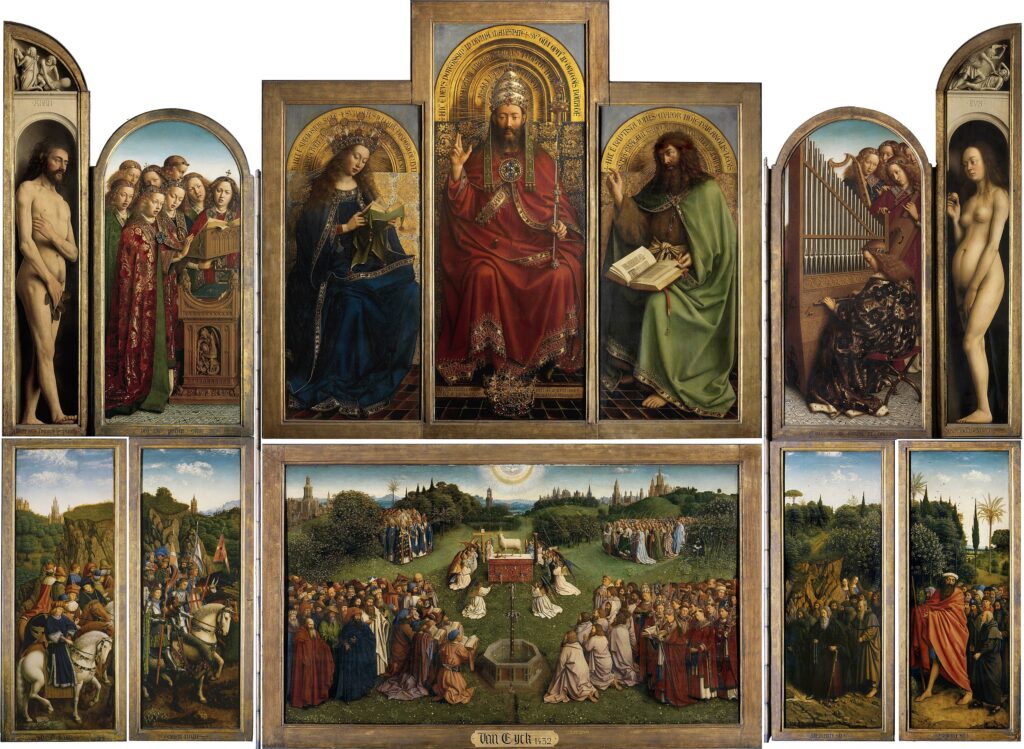

4シント・バーフ聖堂
4Hubert van Eyck & Jan van Eyck 「Ghent Altarpiece」
4Saint Bavo’s Cathedral
出典:4 名画な画家の作品<パブリックドメイン>
https://worldmasterpieces.blog.fc2.com
Art Works and War
What If the “Monuments Men” Had Never Acted?
Today, we take it for granted that anyone can travel to see original masterpieces—sculptures by Michelangelo and paintings by Leonardo da Vinci, Jan van Eyck, Johannes Vermeer, Rembrandt, and many others—simply by visiting museums. We rarely question this privilege. But what if “they” had never done what they did? This is the question raised by a film I would like to discuss.
Though somewhat dated (2014), the film portrays the exploits of a special unit known as the Monuments Men, established by the U.S. Army toward the end of World War II. At the time, under orders from the art-loving Adolf Hitler, the Nazis were systematically looting countless works of art from museums and private collections across occupied Europe. The mission of this unit was to prevent such theft and to recover these irreplaceable cultural treasures for humanity. The film follows, in a straightforward manner, the course of one such recovery operation. Its title is simply The Monuments Men (released in Japan, somewhat curiously, as The Monuments Men, also known as The Monuments Men: Michelangelo Project).
As a suspenseful work of fiction based on real events, certain scenes have been dramatized or altered—perhaps reflecting the intentions of director and screenwriter George Clooney—but overall the story remains faithful to historical fact. Unfortunately, the film did not receive particularly strong critical acclaim. Nevertheless, it features numerous masterpieces by great artists, including Michelangelo’s Madonna and Child, Leonardo da Vinci’s Lady with an Ermine, Vermeer’s The Art of Painting and The Astronomer, van Eyck’s Ghent Altarpiece, and Rembrandt’s self-portraits. In the latter half, there is even a brief scene set in Neuschwanstein Castle, a personal favorite of mine, offering further visual delight for art lovers.
War is, at its core, a profoundly foolish human endeavor, filled with destruction and slaughter. Yet, despite immense sacrifice, more than five million works of art were successfully returned to their rightful owners. We must not forget that behind this achievement lay the efforts of the Monuments Men. Reflecting on this, I cannot help but think that Clooney sought to convey precisely this message through the film—especially as we witness today the tragic situation in Gaza, the ongoing war in Ukraine now exceeding four years, and the widening conflict involving Iran.