ナポリを見てから死ね See Naples and Die
カラヴァッジョの足跡を訪ねて
いつの頃からかレンブラント「夜警」 フェルメール「窓辺で手紙を読む女」 カラヴァッジョ「聖マタイの召命」など光の画家たちに魅了され、彼らの展覧会には必ず足を運ぶようになった。今の私の作品の原点は彼らにあると言っても過言ではないぐらいだ。とりわけカラヴァッジョには、彼の破天荒な人生の魅力も相俟って、すっかり引き込まれてしまった。いつの日か、彼が人生の後半を過ごした街、ナポリを訪れてみたい、その思いは年ごとに強くなっていった。
タイトルの「ナポリを見てから死ね」という言葉をご存じだろうか? かつてドイツの文豪ゲーテがナポリ湾の絶景に感動して残した言葉だとか。ナポリといえば、ベスビオ山を望むナポリ湾の絶景のみならず、ピッツア(マルゲリータ)、スカッパ・ナポリの街並み、ポンペイの遺跡・・・と数多くの魅力を今に伝える街である。
やがて時は流れ、2015年、ようやく積年の思いであるナポリへの旅を実現させることができた。ついにカラヴァッジョの作品と対面できる日が来たのである。到着早々、街の中心部からバスを乗り継ぎ、山手にあるカポディモンテ美術館へ向かった。恐らく大半の入場者のお目当てはカラヴァッジョなのであろう、入場券売り場では私が尋ねる前に係員が入場券と会場図を渡しながら「カラヴァッジョの作品はここだ」と示してくれた。
そして、ついに私は念願のカラヴァッジョの作品「キリストの鞭打ち」と対面した。目に飛び込んできたのは闇に浮かぶ円柱に繋がれたキリスト、キリストを縛りつける兵士、鬼気迫る形相でキリストの髪を掴む兵士だった。強烈な明暗のコントラストと共に今にも聞こえてきそうな兵士たちの荒々しい息遣い、
そして兵士たちの苛烈な暴力性の生々しい表現に私は圧倒されて、しばらく言葉も発せず、その場を動けなかったことを覚えている。
カラヴァッジョはこの作品の他にもナポリの街に2つ足跡を残している。
1 祭壇画「慈悲の七つの行い」ピオ・モンテ・デッラ・ミゼリコルディア教会
※ナポリの街かどの風景が描きこまれていると言われている。
2 「聖ウルスラの巡礼」ナポリ銀行 ※最晩年の作品
残念ながら時間にゆとりがなく、これらの作品を観ることは叶わなかった。あれから11年、もう一度ナポリを見るまでは死ねない!
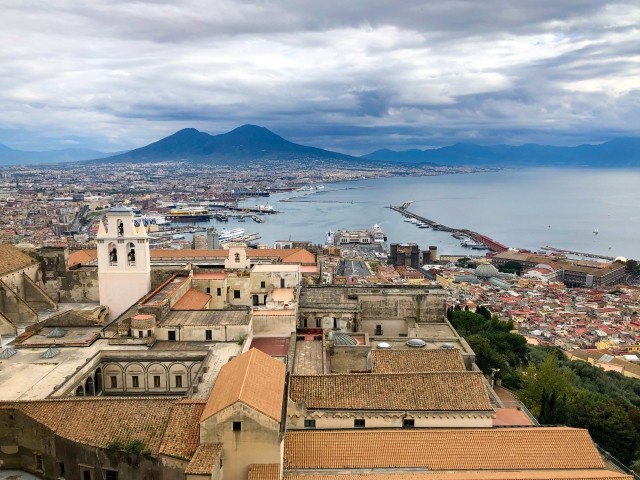
A View of the Bay of Naples with Mount Vesvius in the distance
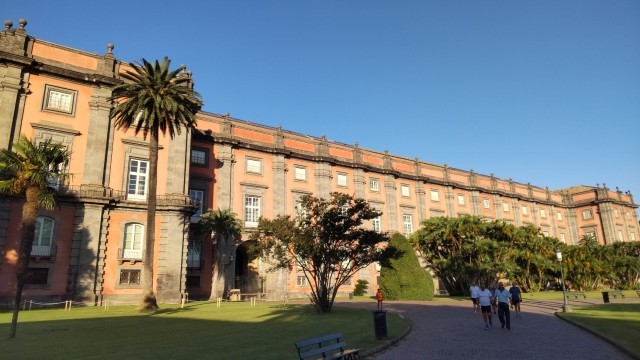
The Capodimonte Museum
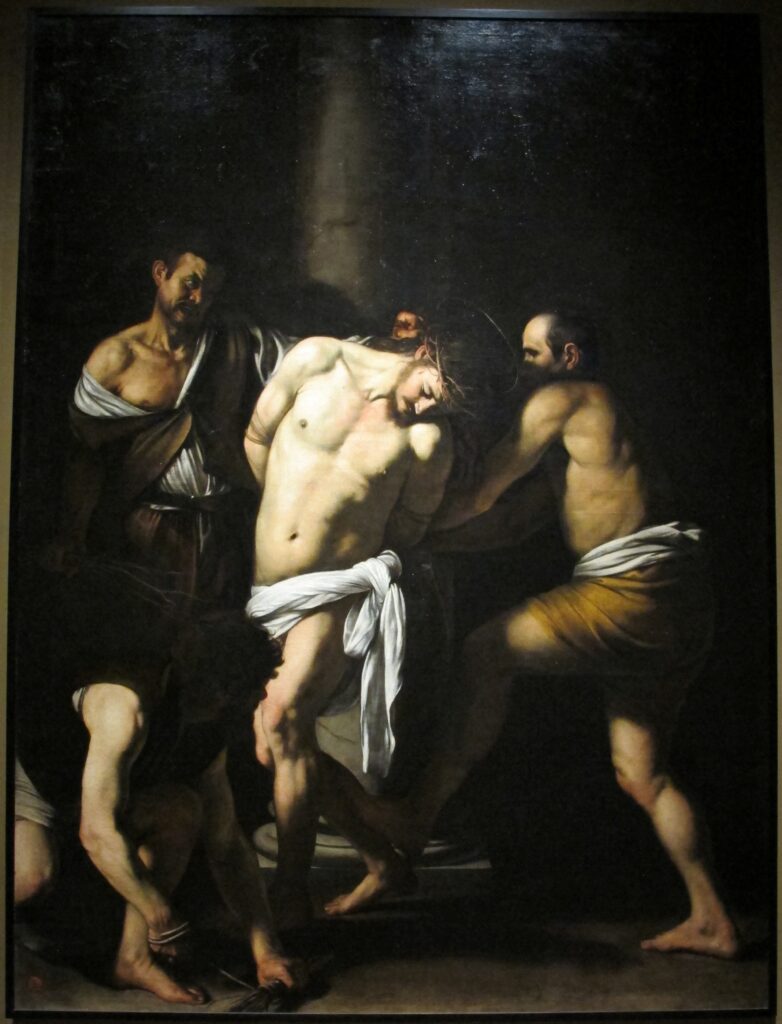
Caravvagio 「The Flagellation of Christ」
出典 1,2 photo AC https://www.photo-ac.com
3 名画な画家の作品<パブリックドメイン> https://worldmasterpieces.blog.fc2.com
See Naples and Die
In Search of Caravaggio’s Footsteps
At some point, I found myself captivated by painters of light—works such as Rembrandt’s The Night Watch, Vermeer’s Woman Reading a Letter by the Window, and Caravaggio’s The Calling of Saint Matthew. Since then, I have made it a point to visit exhibitions featuring their works whenever possible. It would not be an exaggeration to say that the origin of my own artistic expression lies with them. Among these masters,Caravaggio in particular drew me in completely, his turbulent and unconventional life only deepening his appeal. Over the years, my desire grew ever stronger to visit Naples, the city where he spent the latter part of his life.
Are you familiar with the phrase “See Naples and die”? It is said to have been inspired by the German literary giant Goethe, who was so moved by the breathtaking beauty of the Bay of Naples that he coined these words. Naples is a city rich in attractions—not only the stunning view of the bay with Mount Vesuvius in the distance, but also pizza (Margherita), the lively streets of Spaccanapoli, and the ruins of Pompeii, all of which continue to convey its enduring charm.
As time passed, in 2015, my long-cherished dream of traveling to Naples finally came true. At last, the day had come when I could stand face to face with Caravaggio’s work. Soon after arriving, I took a bus from the city center up into the hills to the Capodimonte Museum. Presumably, most visitors were there for Caravaggio; at the ticket counter, before I could even ask, the attendant handed me a ticket and a map, pointing out, “Caravaggio’s works are here.”
And then, at last, I encountered the painting I had long dreamed of seeing: The Flagellation of Christ. What first struck my eyes was Christ bound to a column emerging from the darkness, the soldiers restraining him, and another soldier gripping his hair with a ferocious expression. The stark contrast of light and shadow, the rough breathing of the soldiers that seemed almost audible, and the raw, brutal depiction of their violence overwhelmed me. I remember standing there, unable to speak or move for some time.
Caravaggio left two other traces of his work in Naples as well:
- The altarpiece The Seven Works of Mercy, housed in the Church of Pio Monte della Misericordia
It is said to incorporate scenes of everyday life in Naples. - The Martyrdom of Saint Ursula, held by the Banco di Napoli
One of his final works.
Unfortunately, due to time constraints, I was unable to see these works. Eleven years have passed since then—but until I see Naples again, I cannot die.